The Hidden Traps in Credit Card Use That Kill Your Financial Stability
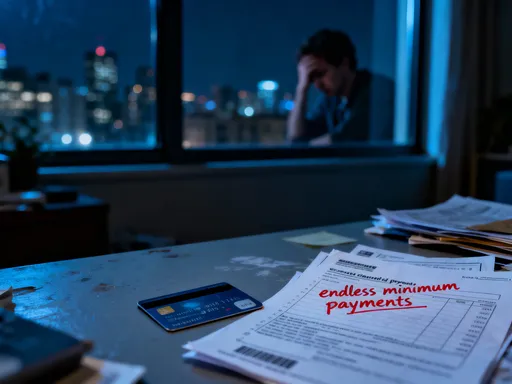
What if the card in your wallet is quietly sabotaging your financial future? I learned this the hard way—after years of smooth spending, I hit a wall of stress and stalled progress. Credit cards promise freedom, but poor management turns them into wealth killers. In this article, I’ll walk you through the real dangers hiding in plain sight and how avoiding them can protect your returns and peace of mind. While many view credit cards as tools of convenience, they often become instruments of financial erosion when used without awareness. The danger isn’t in the card itself, but in the habits it enables and the subtle psychological traps it activates. Understanding these patterns is the first step toward reclaiming control and building a more stable financial foundation.
The Allure of Easy Spending: How Credit Cards Trick Your Brain
Credit cards are designed to feel effortless. With a simple swipe or tap, purchases are made without the physical exchange of cash, which dulls the emotional impact of spending. This detachment is not accidental—it’s a feature engineered into the system. Behavioral economists refer to this phenomenon as "mental accounting," where individuals categorize money differently based on its form or source. Cash feels more real and finite, while credit creates a sense of abundance, even when balances are high. The delay between spending and repayment further softens the pain, allowing users to enjoy purchases today while pushing the cost into the future. This temporal disconnect weakens financial discipline and normalizes debt accumulation.
Another powerful force at play is the concept of delayed gratification. Humans are naturally inclined to prioritize immediate rewards over long-term benefits. Credit cards exploit this tendency by offering instant access to goods and services without requiring immediate payment. A $500 television, for example, becomes an attainable impulse buy when the full cost isn’t due for weeks. Over time, repeated exposure to this pattern rewires spending behavior, making it easier to justify larger and more frequent purchases. The brain begins to associate credit cards with freedom and convenience, not with liability. This misperception is dangerous because it masks the true financial burden until balances grow beyond manageable levels.
The normalization of debt is one of the most insidious outcomes of unchecked credit card use. When monthly statements arrive and minimum payments are made, users often feel they are "in control," even if their debt is growing. This illusion of control prevents corrective action and allows interest to compound silently. Research in consumer behavior shows that individuals who carry balances are more likely to underestimate their total debt and overestimate their ability to repay it. The card becomes a false safety net, used during emergencies but also for nonessential spending. Without conscious intervention, this cycle leads to chronic indebtedness, undermining long-term financial stability and limiting opportunities for wealth-building.
To counteract these psychological forces, it’s essential to reintroduce awareness into every transaction. One effective strategy is to pause before swiping and ask, "Would I make this purchase if I had to pay in cash today?" This simple mental exercise restores the emotional weight of spending and helps align choices with long-term goals. Another approach is to treat the credit card as a budgeting tool rather than a source of funds. By setting strict spending limits and reviewing transactions weekly, users can maintain clarity and avoid drifting into overspending. Recognizing that credit cards are not neutral tools—but rather powerful behavioral influencers—is the first step toward using them wisely and preserving financial health.
The Minimum Payment Trap: A Slow Leak on Your Wealth
One of the most widespread and damaging credit card habits is paying only the minimum amount due each month. On the surface, this appears responsible—after all, payments are made on time, and the account remains in good standing. However, this practice is a financial slow leak, quietly draining wealth over time. Credit card issuers calculate minimum payments as a small percentage of the outstanding balance, typically between 2% and 4%, plus interest and fees. While this keeps the account active, it does little to reduce the principal. The majority of each payment goes toward interest, especially in the early stages of repayment, allowing the debt to persist for years.
Consider a real-world scenario: a family charges $3,000 for a vacation and decides to pay only the minimum each month. Assuming an average interest rate of 19.99%, it would take over 13 years to pay off the balance, and the total cost would exceed $5,800. More than half of that amount—nearly $2,800—is pure interest. This means the family paid almost as much in financing costs as they did for the trip itself. What was intended as a short-term indulgence becomes a long-term financial burden, locking up income that could have been used for savings, investments, or debt reduction elsewhere. The opportunity cost is significant, as those funds could have generated returns if invested wisely.
The impact of minimum payments extends beyond individual purchases. When multiple cards are involved, or when new charges are added while paying down old balances, the situation worsens. This creates a revolving debt cycle where the total balance remains high, and interest compounds continuously. Over time, this erodes financial flexibility and reduces the ability to respond to emergencies or seize opportunities. The psychological comfort of making regular payments masks the reality of stagnation—there is movement, but no real progress. The account is maintained, but the financial position does not improve.
Breaking free from the minimum payment trap requires a deliberate shift in behavior. The most effective strategy is to pay more than the minimum—ideally, the full balance each month. When full payment is not possible, setting a fixed repayment goal, such as paying double the minimum or allocating a specific percentage of income to debt reduction, accelerates progress. Automating higher payments ensures consistency and removes the temptation to cut corners. Additionally, prioritizing high-interest cards through methods like the avalanche approach—paying off debts with the highest rates first—minimizes total interest paid. By treating debt repayment as a priority rather than an afterthought, individuals can reclaim control and redirect funds toward wealth-building activities.
Reward Chasing: When Perks Become Financial Pitfalls
Reward programs are among the most effective marketing tools used by credit card issuers. Cash back, travel points, and sign-up bonuses create the illusion of earning something for nothing. However, these incentives often come at a hidden cost: increased spending. The pursuit of rewards can distort financial judgment, leading cardholders to make purchases they wouldn’t otherwise make simply to meet spending thresholds or maximize point accumulation. A common example is the $3,000 spending requirement for a 50,000-point bonus. To qualify, some users intentionally inflate their expenses, buying gift cards, making unnecessary upgrades, or accelerating planned purchases. The result? They earn the reward but at the expense of higher debt and interest charges.
The psychological mechanism behind reward chasing is rooted in variable reinforcement, a principle well-documented in behavioral psychology. Just as slot machines keep players engaged with unpredictable payouts, credit card rewards create a sense of anticipation and excitement. Each purchase feels like a step toward a prize, even if the prize is modest. Over time, this conditioning strengthens the habit of swiping, making it harder to distinguish between necessary and unnecessary spending. The perceived value of rewards is often exaggerated, while the cost of financing is downplayed. A $200 airline ticket earned through points may seem like a win, but if it required $5,000 in credit card spending at 20% interest, the net financial impact is negative.
Another issue is the complexity of reward valuation. Points and miles have no universal value, and their worth depends on redemption options, blackout dates, and program restrictions. What appears to be a valuable perk may, in reality, offer limited utility. Moreover, many rewards expire or devalue over time, reducing their actual benefit. Studies have shown that the average household earns only a fraction of the potential rewards due to inefficiencies in tracking and redemption. Without a disciplined system, the effort required to maximize rewards often outweighs the benefits.
To use rewards responsibly, cardholders must adopt a strategic mindset. The first rule is to never spend more than they would have spent without the card. Rewards should be a bonus, not a motivation. Tracking spending categories and aligning them with the most advantageous card can enhance value without increasing expenditure. Additionally, setting a monthly budget and reviewing statements regularly ensures that reward pursuit does not lead to overspending. By treating rewards as a secondary benefit rather than a primary goal, users can enjoy the perks without sacrificing financial stability.
Balance Transfers and the Illusion of Control
Balance transfer offers, particularly those with 0% introductory interest rates, are often marketed as smart solutions for managing high-interest debt. On paper, moving a balance from a 20% card to one with 0% interest for 12 or 18 months seems like a logical step toward financial relief. However, this strategy carries significant risks that can undermine long-term stability. The primary danger lies in the temporary nature of the offer. Once the promotional period ends, the interest rate reverts to a standard level, which may be just as high as the original card. If the balance hasn’t been paid off, the borrower faces the same burden—with the added cost of any balance transfer fees, typically 3% to 5% of the transferred amount.
More insidious is the psychological effect of the transfer. The immediate reduction in interest payments creates a sense of progress, even if the total debt remains unchanged. This false sense of control can delay meaningful financial changes, such as cutting expenses or increasing income. Instead of using the interest-free period to aggressively pay down the balance, some users continue spending on their old card or take on new debt, believing they have "fixed" the problem. This behavior leads to a cycle of repeated transfers, where debt is shuffled rather than eliminated. Each transfer may provide short-term relief, but over time, fees accumulate, and the underlying issue persists.
Another risk is the impact on credit utilization and credit score. Opening a new card for a balance transfer increases available credit, which can lower utilization if managed properly. However, if the old card is not paid off and closed, or if new charges are added, the overall utilization may remain high. Additionally, multiple credit inquiries and new accounts can temporarily lower a credit score, affecting eligibility for future loans or better terms. The convenience of a balance transfer should not come at the cost of long-term credit health.
To use balance transfers effectively, they must be part of a disciplined repayment plan. The promotional period should be treated as a deadline, not an indefinite grace period. Monthly payments should be calculated to eliminate the balance before the rate increases. For example, a $6,000 balance with a 12-month 0% offer requires payments of at least $500 per month. Automating these payments ensures consistency. Furthermore, the old card should be used sparingly or deactivated to prevent additional debt. When used with discipline, balance transfers can be a useful tool—but only if they lead to actual debt reduction, not just debt relocation.
Credit Utilization and Your Financial Reputation
Credit utilization—the ratio of credit card balances to credit limits—is one of the most important factors in determining a credit score, second only to payment history. It accounts for approximately 30% of a FICO score, making it a critical component of financial reputation. A low utilization rate signals responsible borrowing behavior, while a high rate suggests overreliance on credit. Financial experts generally recommend keeping utilization below 30%, with an ideal target of 10% or less. However, many cardholders are unaware of this metric or fail to monitor it, leading to unintended damage to their credit profile.
The impact of high utilization extends beyond the credit score. Lenders use this information to assess risk when evaluating applications for mortgages, auto loans, or personal lines of credit. A high utilization ratio, even with perfect payment history, can result in higher interest rates or outright denials. This limits access to favorable financing options and increases the cost of borrowing over time. For example, a homebuyer with a lower credit score due to high utilization may pay tens of thousands more in interest over the life of a mortgage. The financial ripple effects are significant, affecting major life decisions and long-term wealth accumulation.
What makes utilization particularly tricky is that it is calculated based on reported balances, which may not reflect actual payment behavior. Credit card issuers typically report balances to credit bureaus once per month, often on the statement closing date. If a cardholder carries a high balance on that date—even if they pay it off in full the next day—the utilization will appear high. This can create a misleading picture of financial health. To mitigate this, users can make multiple payments throughout the month or request an earlier statement closing date. Another effective strategy is to request a credit limit increase, which lowers the utilization ratio without changing spending habits—though this should be done cautiously to avoid temptation to spend more.
Maintaining low utilization requires ongoing awareness and discipline. Regularly monitoring credit reports and using credit monitoring tools can help track changes. Setting up alerts for high balances or approaching limits provides early warnings. By treating credit utilization as a key financial metric, individuals can protect their creditworthiness and ensure access to better financial opportunities. A strong credit reputation is not just about avoiding debt—it’s about managing credit wisely to support long-term stability and growth.
The Overlooked Cost of Convenience: Subscription Creep and Auto-Pay Traps
In today’s digital economy, convenience often comes at a hidden financial cost. Subscription services—streaming platforms, gym memberships, software tools, and meal kits—are designed for ease of use, with automatic renewals and seamless payments. While individually small, these recurring charges can accumulate into a significant monthly expense. This phenomenon, known as "subscription creep," occurs when users forget about inactive or underused services, fail to cancel free trials, or sign up for multiple overlapping plans. A seemingly harmless $10 monthly charge can grow into $150 or more when combined with other subscriptions, draining hundreds of dollars annually from the household budget.
The danger is compounded when these charges are made using credit cards. Because the payments are automatic, they often go unnoticed on statements, blending into the background of regular spending. This lack of visibility reduces financial awareness and weakens control over cash flow. Over time, the total balance on the card increases, raising the credit utilization ratio and potentially harming the credit score. Even if the full amount is paid each month, the constant cycle of charges and payments keeps the card active and increases the risk of overspending. The convenience of auto-pay becomes a liability when it enables passive financial erosion.
A real-life example illustrates the impact: a family reviewed their credit card statements and discovered they were paying for three streaming services, two cloud storage plans, a fitness app they hadn’t used in months, and a magazine subscription neither spouse read. Combined, these charges totaled $87 per month—over $1,000 per year. By canceling unused services, they freed up funds that were redirected toward an emergency savings account. This simple audit not only improved cash flow but also reduced their reliance on credit. The lesson is clear: convenience should not come at the cost of awareness.
To combat subscription creep, a proactive approach is necessary. Conducting a quarterly review of all recurring charges is an effective habit. Setting calendar reminders to evaluate free trials before they convert to paid plans prevents accidental billing. Using a dedicated email address for subscriptions helps track sign-ups and cancellation options. Additionally, choosing to pay for subscriptions with a debit card or bank transfer, rather than a credit card, increases mindfulness and reduces the risk of compounding debt. By reclaiming control over automatic payments, individuals can eliminate silent drains and strengthen their financial foundation.
Building True Stability: From Avoidance to Smart Habits
Avoiding the traps of credit card use is not about eliminating cards altogether—it’s about transforming them from sources of risk into tools of financial discipline. True stability comes not from high returns alone, but from protecting existing resources and minimizing avoidable losses. The most successful financial strategies are built on awareness, consistency, and small, sustainable habits. Treating the credit card as a spending tracker rather than a funding source shifts the mindset from consumption to accountability. When used intentionally, credit cards can offer convenience, fraud protection, and even rewards—without compromising long-term goals.
One foundational habit is tracking every transaction. Whether through budgeting apps, spreadsheets, or regular statement reviews, knowing where money goes is essential. This practice reveals spending patterns, identifies unnecessary expenses, and reinforces financial boundaries. Pairing tracking with a monthly budget ensures that credit card use stays within limits. Another critical step is aligning payment timing with income cycles. Paying the full balance as soon as a statement is generated, rather than waiting for the due date, reduces the window for interest accrual and reinforces discipline. Some users find it helpful to set up automatic full payments to eliminate the risk of missed or partial payments.
Creating a spending buffer is another effective strategy. This involves maintaining a small cash reserve specifically for unexpected expenses, reducing the temptation to rely on credit in emergencies. Building this buffer over time, even with small contributions, increases financial resilience. Additionally, using only one or two cards—rather than multiple accounts—simplifies tracking and reduces the risk of overspending. Closing unused cards should be done carefully, as it can affect credit utilization and length of credit history, but consolidating accounts can improve oversight.
Ultimately, financial stability is not achieved through a single action, but through consistent, mindful choices. The goal is not perfection, but progress. By recognizing the psychological and structural traps built into credit card systems, individuals can make informed decisions that align with their values and goals. Awareness turns passive spending into active management. Discipline turns debt into control. And small changes, compounded over time, create lasting resilience. The card in your wallet doesn’t have to be a threat—it can become a tool for building the financial future you deserve.