How I Found Balance with the Mediterranean Diet and Smart Movement
What if small, sustainable changes could transform your health? For years, I struggled with low energy and confusion about what “healthy” really meant—until I discovered the Mediterranean lifestyle. It’s not a strict diet but a way of eating and moving that feels natural. Paired with simple, science-backed exercise habits, it changed how I feel every day. This is what worked for me—real, practical, and doable. No extreme rules, no punishing workouts, just a return to rhythm, real food, and daily motion that supports a full life. The shift didn’t happen overnight, but over time, the pieces came together in a way that felt both nourishing and lasting.
The Burnout That Led Me Here
For more than a decade, I lived in a cycle of exhaustion and frustration. I tried nearly every popular diet trend—low-fat, low-carb, juice cleanses, meal replacements—each promising quick results but delivering only short-term satisfaction and long-term confusion. I would lose a few pounds, feel worse than before, and eventually return to old habits. My energy was low, my mood was inconsistent, and I often felt disconnected from my own body. I wasn’t just struggling with weight; I was struggling with a deeper sense of imbalance.
The turning point came during a routine check-up when my doctor gently pointed out early signs of metabolic strain—slightly elevated blood sugar, rising cholesterol, and persistent fatigue. She didn’t hand me a list of restrictions. Instead, she asked, “How do you feel about your life right now?” That question shifted everything. Health, I began to understand, wasn’t just about numbers on a scale or lab results. It was about how I moved through my days—what I ate, how I moved, and whether I felt supported by my routines.
That’s when I started researching sustainable lifestyle patterns, not quick fixes. I came across the Mediterranean diet, not as a weight-loss gimmick, but as a centuries-old way of living practiced in regions known for longevity and vitality. What stood out was its flexibility. There were no forbidden foods, no obsessive tracking, and no guilt. It celebrated whole foods, shared meals, and a natural rhythm of activity. Unlike the rigid plans I had followed before, this approach felt doable—and human.
Movement, too, began to shift in my mind. I had always associated fitness with intense gym sessions, early morning runs, or complicated workout videos. But as I learned more, I realized that the people in Mediterranean communities didn’t “work out” in the modern sense. They walked to the market, gardened, climbed stairs, and stood while socializing. Their activity was woven into daily life. This insight was powerful: what if health wasn’t about carving out extra time for exercise, but about bringing more motion into the time I already had?
What the Mediterranean Lifestyle Really Is (Beyond Olive Oil)
When most people hear “Mediterranean diet,” they picture bottles of olive oil and plates of Greek salad. While those are part of it, the true Mediterranean lifestyle goes far beyond individual foods. It’s a complete pattern of living that includes eating, moving, and relating to food and community in a balanced, joyful way. It’s not a temporary diet but a long-term approach to wellness rooted in real, seasonal ingredients and mindful habits.
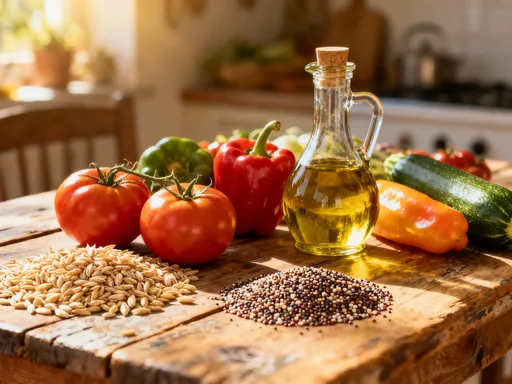
At its core, the Mediterranean way emphasizes plant-based foods as the foundation of every meal. This means plenty of vegetables, fruits, whole grains like farro and barley, legumes such as lentils and chickpeas, and healthy fats from nuts, seeds, and, yes, olive oil. Fish and seafood appear regularly, typically a few times a week, while poultry, eggs, and dairy are enjoyed in moderation. Red meat is limited, not banned, and sweets are occasional treats, not daily indulgences. This dietary pattern isn’t about deprivation—it’s about abundance, flavor, and variety.
Equally important is the cultural context. Meals are not rushed or eaten alone in front of a screen. They are moments of connection—shared with family, savored slowly, and treated as a daily ritual. This mindful approach to eating supports better digestion, improved satisfaction, and a healthier relationship with food. Research consistently shows that people who follow this pattern have a lower risk of heart disease, reduced inflammation, better blood sugar control, and even slower cognitive decline as they age. These benefits aren’t due to a single “superfood” but to the synergy of the entire lifestyle.
One of the most freeing aspects of this way of eating is that it doesn’t require perfection. A glass of red wine with dinner is part of the tradition, as long as it’s enjoyed in moderation. A slice of homemade cake at a family gathering isn’t a failure—it’s part of life. The goal isn’t rigid control but sustainable balance. This flexibility makes it easier to stick with over time, which is exactly what long-term health depends on. It’s not about being perfect every day, but about making consistently good choices that add up over weeks, months, and years.
Why Food Alone Isn’t Enough: The Movement Gap
As I embraced the Mediterranean way of eating, I noticed improvements—more energy, better digestion, and a calmer mind. But something still felt off. I wasn’t as strong as I wanted to be, and I still spent long hours sitting, whether at my desk or on the couch in the evening. I realized that while my diet had changed, my activity level hadn’t. I was eating like someone who moves naturally through the day, but living like someone who barely leaves their chair.
This disconnect is common. Many people adopt healthy eating patterns but overlook the critical role of movement. The truth is, even the best diet can’t fully compensate for a sedentary lifestyle. When we sit for long periods, our metabolism slows, our muscles weaken, and our circulation suffers. Over time, this increases the risk of insulin resistance, weight gain, and cardiovascular issues—exactly the conditions the Mediterranean diet aims to prevent.
Think of it this way: imagine eating a fresh, vibrant meal of grilled fish, roasted vegetables, and a grain salad, just like someone in southern Italy might enjoy. Now imagine eating that meal while sitting for ten hours a day, with little to no physical activity. The food is excellent, but the body isn’t getting the full benefit. Movement helps regulate blood sugar, supports heart health, and keeps muscles and joints strong. Without it, we’re only doing half the work.
The Mediterranean lifestyle includes both. In traditional communities, people don’t separate “eating healthy” from “staying active.” They walk to the store, stand while talking, tend to gardens, and take long, leisurely strolls after meals. These small actions add up. They aren’t structured workouts, but they are consistent and meaningful. This natural integration of movement is what makes the lifestyle so effective—and so sustainable. It’s not about adding more to your day, but about changing how you move through it.
The Exercise Mindset Shift: From “Working Out” to Living Actively
For years, I thought fitness meant going to the gym, following a strict routine, and pushing myself to exhaustion. If I wasn’t sweating, sore, or counting reps, I didn’t feel like I had “done enough.” This mindset made exercise feel like a chore—a box to check, not a gift to enjoy. It also set me up for failure, because when life got busy, I’d skip workouts entirely, then feel guilty and give up.
The Mediterranean approach helped me reframe what physical activity could be. Instead of focusing on intense, isolated workouts, I began to see movement as part of my daily rhythm—something to weave into my routine, not schedule around. This shift was liberating. I no longer needed a gym membership or special equipment. I could be active while doing things I already enjoyed or needed to do.
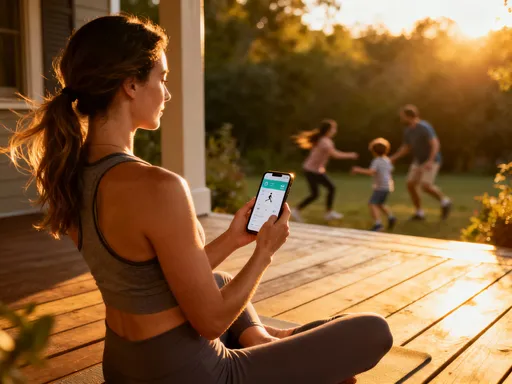
Walking became my anchor. I started with just ten minutes a day—after lunch, around the neighborhood, or during a phone call. Over time, those minutes added up. Gardening, which I once saw as a weekend chore, became a form of gentle strength training. Carrying bags of soil, pulling weeds, and reaching for plants engaged my core, arms, and legs in ways that felt useful and satisfying. Even household tasks like sweeping, folding laundry, or playing with my grandchildren became opportunities to move.
The psychological benefits were just as important as the physical ones. When exercise feels like punishment, it’s hard to stay consistent. But when it feels good—when it connects you to your body, your environment, and your day—it becomes something you look forward to. I stopped thinking in terms of “burning calories” and started noticing how movement improved my mood, reduced stiffness, and helped me sleep better. This internal motivation is far more powerful than any external goal. It’s not about looking a certain way; it’s about feeling alive in your body every day.
Building a Realistic Movement Routine: Three Pillars That Worked for Me
Once I embraced the idea of natural movement, I wanted to build a simple, repeatable routine that fit my life. I didn’t want to overcomplicate it or set unrealistic goals. Instead, I focused on three core habits—what I call the three pillars of sustainable activity. These aren’t extreme or time-consuming, but they’ve made a lasting difference in how I feel.
Pillar 1: Daily Walking with Purpose. I aim for 30 to 60 minutes of walking each day, but I break it into manageable chunks. A 15-minute walk in the morning, another after lunch, and a short stroll after dinner. I don’t track every step or push for speed. The goal is consistency, not performance. I listen to podcasts, call a friend, or just enjoy the quiet. Walking grounds me. It’s also one of the most well-researched forms of exercise for heart health, joint support, and mental clarity. The key was starting small. I began with five minutes a day and gradually increased as it became a habit. Now, I miss it if I don’t do it.
Pillar 2: Strength That Serves Life. I do simple bodyweight exercises two to three times a week. These include squats, wall push-ups, step-ups on the stairs, and seated stands from a chair. I don’t lift heavy weights or follow complex routines. The focus is on functional strength—building the power I need for daily tasks like carrying groceries, getting up from a chair, or playing with my kids. This kind of training also supports bone density and balance, which become more important as we age. I keep it short—10 to 15 minutes—and do it at home while waiting for dinner to cook or during a break in the afternoon.
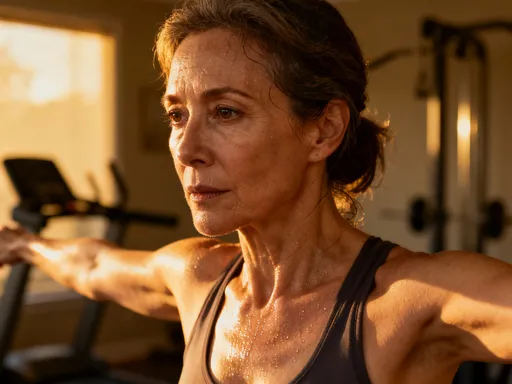
Pillar 3: Flexibility and Recovery. I used to skip stretching, thinking it wasn’t “real” exercise. Now I see it as essential. I spend 5 to 10 minutes most days doing gentle stretches or mobility work—reaching for the sky, bending to touch my toes, rotating my shoulders, or lying on the floor with my legs up the wall. These small practices keep my joints moving freely, reduce stiffness, and help me recover from daily wear and tear. They also signal to my body that it’s safe to relax, which supports better sleep and lower stress levels. I don’t need a yoga mat or special clothes—just a few quiet moments to reconnect with my body.
Progress didn’t come from perfection. Some days, I only managed one pillar. Other days, I skipped all three. But I learned to be kind to myself and return to the routine without judgment. The goal isn’t to do everything every day, but to create a pattern that supports long-term well-being. These pillars are flexible, not fixed. They can be adjusted for injury, illness, travel, or busy seasons. That’s what makes them sustainable.
Putting It All Together: A Sample Day in My Life
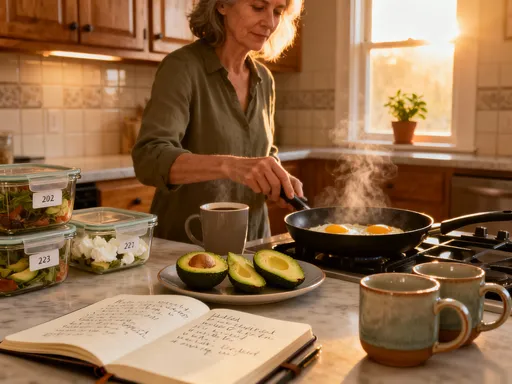
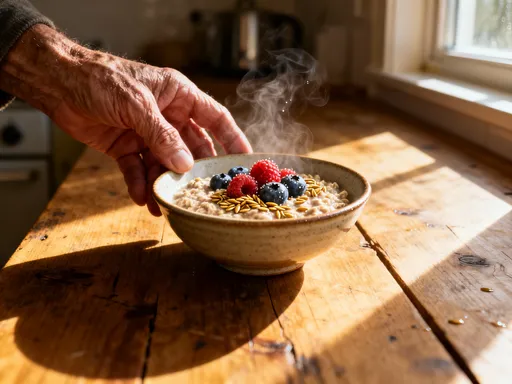
My current routine isn’t perfect, but it works. It’s built around real life, not an idealized version of it. Here’s what a typical day looks like: I wake up and drink a glass of water, then do a few gentle stretches in bed—reaching, twisting, and breathing deeply. Breakfast is plain Greek yogurt with a handful of walnuts, fresh berries, and a sprinkle of cinnamon. I eat slowly, sitting at the table, not in front of my laptop.
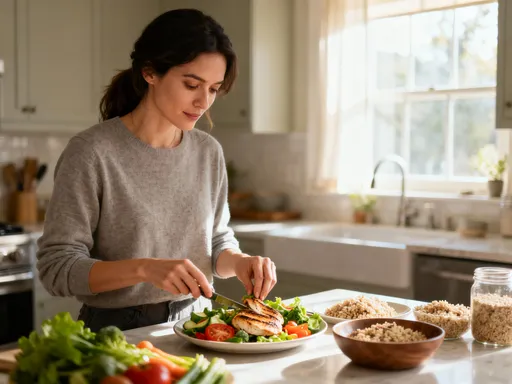
After breakfast, I take a 20-minute walk around the block, listening to a podcast or just enjoying the morning air. At work, I try to stand or move every hour—walking to the kitchen for water, doing a few shoulder rolls, or stepping outside for fresh air. Lunch is a large salad with mixed greens, cucumbers, tomatoes, chickpeas, feta cheese, olives, and a drizzle of olive oil and lemon. I pack it the night before, so it’s easy and ready to go.
In the afternoon, I take a five-minute stretch break—standing up, reaching my arms overhead, and doing a few neck rolls. If I’m feeling stiff, I lie on the floor and do a few gentle leg lifts or knee-to-chest stretches. Dinner is usually grilled salmon or another fatty fish, served with roasted vegetables like zucchini, bell peppers, and sweet potatoes, along with a small portion of whole grains. I eat with my family, and we talk about our day without screens.
After dinner, we take a 15- to 20-minute stroll around the neighborhood. It’s our time to connect, unwind, and enjoy the evening. Before bed, I do a few minutes of deep breathing or gentle stretching to help me relax. I don’t do intense workouts or follow strict rules. But over time, these small choices have added up to big changes—more energy, better sleep, and a stronger sense of well-being.
Staying Consistent Without Obsession
Of course, there are still challenges. Some weeks are busier than others. Travel, holidays, or family emergencies can disrupt even the best routines. I’ve learned that consistency doesn’t mean never missing a day—it means returning to balance as soon as possible. I use a few simple strategies to stay on track without becoming rigid.
One is habit stacking—linking new habits to existing ones. For example, I do my bodyweight exercises right after I brush my teeth in the morning, or I take my evening walk right after dinner. This makes it easier to remember and reduces the need for motivation. I also design my environment to support my goals—keeping walking shoes by the door, placing a resistance band in my work bag, and prepping healthy snacks in advance.
Most importantly, I practice self-compassion. If I skip a walk or eat something that doesn’t align with my goals, I don’t criticize myself. I remind myself that health is a journey, not a destination. Progress isn’t linear. Some days are better than others, and that’s okay. What matters is that I keep showing up, even in small ways. I’ve also learned to adapt the Mediterranean lifestyle to my own culture and preferences. I don’t eat exactly like someone in Greece—I use local, seasonal ingredients and recipes that reflect my family’s tastes. This personalization makes it feel authentic, not forced.
Finally, I remind myself that this isn’t about chasing youth or achieving a certain look. It’s about feeling strong, capable, and present in my body as I age. It’s about being able to play with my grandchildren, travel without fatigue, and enjoy life with energy and clarity. That’s the real reward of this lifestyle—not a number on a scale, but a life well-lived.
The Mediterranean lifestyle isn’t about rigid rules—it’s a return to rhythm, flavor, and natural movement. When diet and daily activity align, energy rises, and health becomes a quiet, steady presence. This isn’t a quick fix, but a life-long promise to yourself. Start small, stay consistent, and let well-being grow from the inside out. Always consult a healthcare provider before making major changes—your journey is unique, and support matters.