How I Tamed My Cholesterol Without Medication—Real Food, Real Results
For years, I ignored my rising cholesterol—until my doctor’s warning hit hard. Instead of jumping straight to pills, I chose to fight back with food. What followed wasn’t a miracle, but a journey of small, smart changes that added up. This is how I learned to regulate lipids naturally through everyday meals, science-backed choices, and consistency. No extremes, no gimmicks—just real dietary guidance that made a real difference. It wasn’t about starving or obsessing over calories. It was about understanding what my body needed and giving it nourishment that supported long-term heart health. And over time, the numbers began to shift in the right direction.
The Wake-Up Call: When Numbers Demand Change
It started with a routine check-up. I wasn’t feeling unwell—no chest pain, no fatigue, nothing alarming. But when the lab results came back, my total cholesterol was 245 mg/dL, with LDL (the “bad” cholesterol) at 160 mg/dL. My triglycerides were also elevated, hovering around 180 mg/dL. My doctor looked at me and said, “You’re not in danger today, but if this continues, your risk for heart disease goes up significantly.” That moment stayed with me. It wasn’t fear-mongering—it was a fact. Cardiovascular disease remains the leading cause of death worldwide, and high cholesterol is a major contributor. Yet, so many people, like me, live with it silently for years, unaware of the ticking clock within their arteries.
What shocked me most was realizing how little I understood about cholesterol. I thought it was something only older people dealt with, or those who ate fried food every day. But I wasn’t eating fast food regularly. I exercised occasionally. I wasn’t overweight. Still, the numbers didn’t lie. That disconnect between perception and reality was eye-opening. It made me question everything I thought I knew about heart health. The truth is, cholesterol levels can rise due to a combination of genetics, age, and lifestyle—even in seemingly healthy individuals. And while medication is an effective tool for many, my doctor emphasized that for someone in my situation, early intervention through diet and lifestyle could delay or even prevent the need for statins.
This wasn’t about quick fixes. It was about sustainable change. I realized that waiting until I felt symptoms might be too late. Arterial plaque builds up gradually, often without warning signs until a serious event occurs. By taking action now, I could influence my future health in a meaningful way. That conversation became my turning point—not out of fear, but out of responsibility. I decided to give my body a chance to heal itself through the most fundamental tool we all have: food.
Breaking Down Lipids: What You Actually Need to Know
Before making any changes, I needed to understand what cholesterol really was. Cholesterol isn’t inherently evil—it’s a waxy substance produced by the liver and found in certain foods. Our bodies need it to build cell membranes, produce hormones like estrogen and testosterone, and synthesize vitamin D. The problem arises when there’s too much of the wrong kind circulating in the bloodstream. The key players are LDL (low-density lipoprotein), HDL (high-density lipoprotein), and triglycerides. Think of LDL as the “delivery truck” that carries cholesterol to your arteries, where it can build up and form plaque. HDL acts like a “cleanup crew,” transporting excess cholesterol back to the liver for removal. Triglycerides, another type of fat, store unused calories and provide energy between meals—but high levels are linked to increased heart disease risk.
One of the biggest misconceptions I had to unlearn was that all cholesterol is bad. In fact, dietary cholesterol—the kind found in eggs or shellfish—has a much smaller impact on blood cholesterol than once believed. Current research suggests that for most people, saturated and trans fats have a far greater influence on raising LDL levels than dietary cholesterol itself. This was a relief. I didn’t have to give up eggs entirely. Instead, the focus shifted to the types of fats I was consuming. Another myth was that low-fat diets were automatically heart-healthy. Many low-fat processed foods are loaded with sugar and refined carbohydrates, which can actually increase triglycerides and lower HDL—exactly the opposite of what I wanted.
Understanding these distinctions helped me make smarter choices. Rather than fearing fat altogether, I learned to embrace healthy fats while avoiding the harmful ones. I also began to see cholesterol not as a single number, but as part of a broader picture. A healthy lipid profile includes not just lower LDL, but higher HDL and controlled triglycerides. My goal wasn’t just to reduce one number, but to improve the entire balance. This holistic view made the process feel more manageable and less intimidating. Knowledge became my first line of defense.
The Plate Over the Pill: Why Food Is the First Line of Defense
Armed with this new understanding, I turned to nutrition as my primary strategy. Research consistently shows that dietary patterns can significantly influence lipid levels. The Portfolio Diet, developed by Dr. David Jenkins and colleagues, demonstrated that a combination of cholesterol-lowering foods—such as nuts, soy protein, soluble fiber, and plant sterols—can reduce LDL by nearly 30%, comparable to starting a low-dose statin. Other studies, including those on the Mediterranean diet, have shown similar benefits, emphasizing whole grains, fruits, vegetables, legumes, fish, and olive oil.
What stood out was the power of whole, minimally processed foods. These foods contain natural compounds that work together to support heart health. For example, soluble fiber binds to cholesterol in the digestive system and helps remove it from the body. Plant sterols, found in small amounts in nuts, seeds, and vegetable oils, block cholesterol absorption in the gut. Omega-3 fatty acids in fatty fish reduce inflammation and lower triglycerides. These aren’t isolated supplements—they’re built into real food.
In contrast, processed foods often contain hidden dangers. Packaged snacks, frozen meals, and even seemingly healthy granola bars can be high in refined grains, added sugars, and unhealthy fats. Trans fats, though largely banned in many countries, still lurk in some margarines and baked goods under the label “partially hydrogenated oils.” Even small amounts can raise LDL and lower HDL. I realized that reading labels wasn’t just for dieters—it was essential for heart health. Choosing whole foods meant I could trust what I was eating, rather than guessing what chemicals or additives were inside.
The shift wasn’t about deprivation. It was about upgrading. Instead of thinking, “What can’t I eat?” I started asking, “What can I add?” More fiber. More healthy fats. More color on my plate. This mindset made the transition feel positive and empowering. I wasn’t following a strict diet—I was building a healthier relationship with food.
My 5 Daily Eating Habits That Actually Worked
Change doesn’t happen overnight. I didn’t overhaul my entire diet in a week. Instead, I focused on five simple, sustainable habits that I could maintain long-term. These weren’t extreme or complicated—they fit into my daily routine without causing stress or resentment.
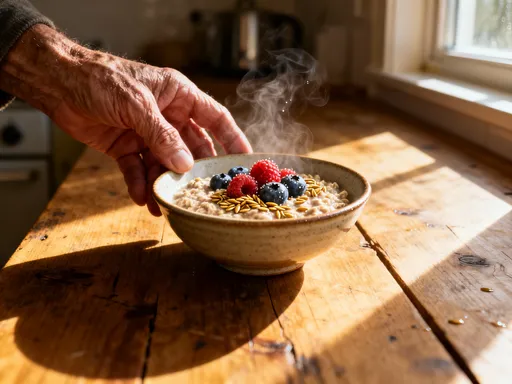
First, I started my day with oatmeal. Not the instant kind loaded with sugar, but plain rolled oats cooked with water or unsweetened almond milk. Oats are rich in beta-glucan, a type of soluble fiber proven to lower LDL cholesterol. I topped them with a handful of berries and a sprinkle of ground flaxseed for extra fiber and omega-3s. Within weeks, I noticed I felt fuller longer, and my mid-morning cravings disappeared.
Second, I swapped red meat for legumes two to three times a week. Lentils, chickpeas, black beans—these were not only lower in saturated fat but also packed with protein and fiber. I made hearty soups, added beans to salads, and even tried black bean burgers. It took some adjustment, but I soon realized how versatile and satisfying plant-based proteins could be.
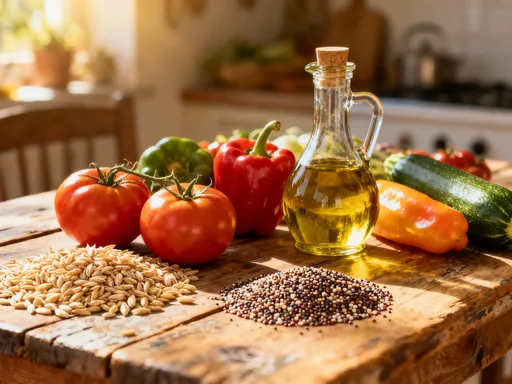
Third, I replaced butter and vegetable shortening with extra virgin olive oil. I used it for sautéing vegetables, drizzling over salads, and even baking in place of some fats. Olive oil is rich in monounsaturated fats, which have been shown to improve HDL levels and reduce inflammation. It also contains polyphenols, antioxidants that support blood vessel health.
Fourth, I began snacking on a small handful of nuts—usually almonds or walnuts—instead of crackers or chips. Nuts are high in healthy fats, protein, and fiber, all of which contribute to better lipid profiles. Studies show that eating about 1.5 ounces of nuts daily can reduce heart disease risk. I kept portion-controlled packs in my bag to avoid overeating.
Fifth, I increased my vegetable intake with every meal. I aimed for variety and color—dark leafy greens, red peppers, carrots, broccoli, sweet potatoes. Vegetables are naturally low in calories and high in nutrients, including fiber and potassium, which supports healthy blood pressure. I found that filling half my plate with vegetables left less room for less healthy options, making portion control effortless.
Foods That Help—and Others That Hide the Damage
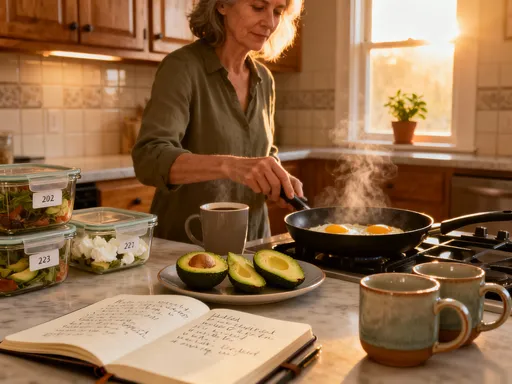
As I learned more, I became curious about which specific foods had the strongest impact. Avocados stood out. Despite being high in fat, they contain heart-healthy monounsaturated fats that help lower LDL while maintaining HDL. I added sliced avocado to sandwiches and salads, and even blended it into smoothies for creaminess.
Fatty fish like salmon, mackerel, and sardines became weekly staples. These are rich in EPA and DHA, two types of omega-3 fatty acids that reduce triglycerides and decrease inflammation. The American Heart Association recommends at least two servings per week for heart health. I baked salmon with herbs and lemon, grilled mackerel with vegetables, and enjoyed sardines on whole-grain toast.
Flaxseeds and chia seeds were easy additions. I stirred a tablespoon of ground flaxseed into yogurt or oatmeal, and used chia seeds in puddings or smoothies. Both are excellent sources of alpha-linolenic acid (ALA), a plant-based omega-3, and soluble fiber.
Berries—blueberries, strawberries, raspberries—were my go-to dessert. They’re low in sugar and high in antioxidants like anthocyanins, which may improve HDL function and reduce oxidative stress in blood vessels.
On the flip side, I had to confront the foods that were quietly working against me. Refined carbohydrates—white bread, pastries, sugary cereals—caused blood sugar spikes that led to increased triglycerides. Sugary drinks, including fruit juices and sweetened teas, were major culprits. I switched to water, herbal teas, and sparkling water with lemon.
Trans fats were the worst offenders. Though banned in many places, they still appear in some fried foods, margarines, and packaged baked goods. I learned to check ingredient lists for “partially hydrogenated oils” and avoided anything with that label. Even small amounts can harm heart health over time.
Reading labels became a non-negotiable habit. I discovered that many “low-fat” salad dressings were high in sugar, and some breakfast bars contained more added sugar than a candy bar. By focusing on whole ingredients and minimal processing, I regained control over what I was putting into my body.
Meal Timing, Portions, and the Forgotten Role of Fiber
Diet isn’t just about what you eat—it’s also about how and when you eat. I began paying attention to portion sizes, not by strict measuring, but by using visual cues. A serving of protein should be about the size of my palm, grains about the size of my fist, and fats like cheese or oil limited to the size of my thumb. This simple method helped me avoid overeating without feeling deprived.
Meal timing also played a role. I found that eating regular, balanced meals throughout the day helped stabilize my energy and prevent late-night snacking. Skipping meals often led to overeating later, which could spike insulin and increase triglyceride production. I aimed for three main meals and one small snack, spaced evenly apart.
But the most powerful tool was fiber—especially soluble fiber. Found in oats, beans, apples, and Brussels sprouts, soluble fiber forms a gel-like substance in the gut that binds to cholesterol and carries it out of the body. The recommended daily intake is 25 to 30 grams, yet most adults consume only about half that. I gradually increased my fiber intake to avoid digestive discomfort, drinking plenty of water to help it move through my system.
I also focused on building balanced plates. Each meal included a source of lean protein, complex carbohydrates, healthy fats, and plenty of vegetables. This combination kept me satisfied and supported steady blood sugar levels. For example, a typical dinner might be grilled salmon, quinoa, roasted broccoli, and a side salad with olive oil dressing. Simple, flavorful, and nourishing.
Beyond the Kitchen: Lifestyle Tweaks That Boost Results
Nutrition was the foundation, but I soon realized that other lifestyle factors played a crucial supporting role. Sleep, for instance, is often overlooked in heart health. Chronic sleep deprivation has been linked to higher LDL and lower HDL levels. I made it a priority to get seven to eight hours per night, establishing a consistent bedtime routine and limiting screen time before bed.
Stress management was equally important. When I was stressed, I tended to reach for comfort foods—often high in sugar and fat. I started practicing mindfulness through daily walks, deep breathing exercises, and journaling. These small habits helped me respond to stress more calmly and reduced emotional eating.
Physical activity became a regular part of my routine. I didn’t need to run marathons—just 30 minutes of brisk walking most days made a difference. Exercise helps raise HDL, lower triglycerides, and improve insulin sensitivity. I also added light strength training twice a week, which boosted my metabolism and supported overall vitality.
Consistency mattered more than perfection. There were days I ate cake at a birthday party or skipped a workout. But I didn’t let those moments derail me. Progress, not perfection, was the goal. Over time, these small choices compounded into real results.
And through it all, I stayed in close contact with my doctor. I had follow-up blood tests every three months to track my progress. After six months, my total cholesterol dropped to 205 mg/dL, LDL to 120 mg/dL, and triglycerides to 130 mg/dL. My HDL had also improved slightly. These weren’t perfect numbers, but they were moving in the right direction—without medication.
My doctor acknowledged the progress and encouraged me to keep going. He reminded me that lifestyle changes work best when combined with professional monitoring. If numbers plateaued or worsened, medication might still be necessary—and that was okay. The goal wasn’t to avoid medicine at all costs, but to give my body every chance to heal naturally first.
Looking back, this journey wasn’t just about lowering cholesterol. It was about reclaiming control over my health. It taught me to listen to my body, make informed choices, and prioritize long-term well-being over short-term convenience. The kitchen became my pharmacy, not because I rejected medicine, but because I respected the power of prevention.
Heart health isn’t determined by a single meal or a single test. It’s shaped by daily decisions, repeated over time. You don’t need a dramatic transformation to make a difference. Start with one change—swap butter for olive oil, add a serving of vegetables, choose oatmeal over toast. Small steps lead to lasting results. And while food is powerful, it’s not a substitute for medical advice. Always consult your healthcare provider before making significant changes, especially if you have existing conditions.
This isn’t a story of perfection. It’s a story of progress. Of choosing real food, real choices, and real results—one meal at a time.