This Is How I Turned Back Time — My Real Anti-Aging Rehab Journey
Have you ever looked in the mirror and felt like your body was aging faster than your spirit? I did. A few years ago, I hit a wall — constant fatigue, stiff joints, and skin that had lost its glow. But instead of accepting it, I started a personalized anti-aging rehabilitation plan built on real lifestyle shifts. It wasn’t magic, just science-backed steps I actually stuck to. And the changes? Noticeable, lasting, and totally worth it.
The Wake-Up Call: When Aging Started Winning
It wasn’t one dramatic moment, but a slow accumulation of signs that told me something was off. I remember struggling to get up from the floor after playing with my grandchildren. My knees cracked, my back ached, and I had to pull myself up using the coffee table. That moment stung — not just physically, but emotionally. I used to be the one organizing family hikes, leading dance sessions at gatherings, and volunteering for every physically demanding task. Now, even walking up a flight of stairs left me winded.
The fatigue was relentless. No matter how early I went to bed, I woke up feeling heavy, as if my body hadn’t truly rested. Mornings were a battle. I relied on coffee not for pleasure, but survival. My concentration slipped. I’d walk into a room and forget why I was there. Names of close friends would vanish mid-sentence. I started calling it ‘brain fog,’ but deep down, I worried it was something more — a quiet signal that my body and mind were slipping into decline.
Emotionally, it took a toll. I felt disconnected from the vibrant woman I used to be. Shopping became frustrating — nothing fit right, and mirrors felt like enemies. I avoided photos. I stopped wearing sleeveless tops because I didn’t like how my arms looked. There was a quiet grief, not for youth, but for the loss of ease — the effortless energy, the confidence in my body’s ability to keep up with my life.
But the turning point came during a routine check-up. My doctor noted elevated markers of inflammation and gently suggested I might be entering a phase of accelerated aging. That phrase — 'accelerated aging' — startled me. It implied that what I was experiencing wasn’t just time passing; it was a process I might be able to influence. For the first time, I saw aging not as a fixed timeline, but as a condition shaped by choices. That realization shifted everything. I didn’t want a quick fix or a miracle cream. I wanted a real, sustainable plan — something closer to rehabilitation than renovation.
Reframing Aging: It’s Not Inevitable, It’s Manageable
For years, I thought aging was a one-way street — straight downhill. Wrinkles, stiffness, fatigue — all just part of the package. But what I learned changed my entire perspective: chronological age (the number of years you’ve lived) is different from biological age (how old your cells and systems function). And while we can’t stop the calendar, science shows we can influence how our bodies age on a cellular level.
Research has demonstrated that lifestyle factors directly affect key markers of aging. Telomeres, the protective caps at the ends of our chromosomes, shorten as we age — but studies show that healthy habits like regular exercise, balanced nutrition, and stress management can slow that shortening. Chronic inflammation, often called 'inflammaging,' is another major driver of age-related decline. It’s linked to joint pain, brain fog, and slower recovery. By reducing inflammatory triggers — such as poor diet, inactivity, and poor sleep — we can lower this internal wear and tear.
Mitochondria, the energy powerhouses of our cells, also play a crucial role. As we age, mitochondrial function declines, leading to fatigue and reduced cellular repair. But physical activity, especially strength training and aerobic exercise, has been shown to boost mitochondrial health and even stimulate the creation of new mitochondria — a process called mitochondrial biogenesis.
This understanding transformed my mindset. Aging wasn’t something to endure — it was something to manage, like heart health or blood pressure. The concept of 'rehabilitation' applied not just to recovering from injury, but to restoring function lost over time. Just as physical therapy helps someone regain mobility after surgery, a structured lifestyle plan could help me regain energy, strength, and resilience. I wasn’t trying to turn back time in a cosmetic sense; I was investing in my body’s ability to function well for years to come.
Movement as Medicine: The Daily Routine That Changed Everything
I used to think exercise had to be intense to be effective — long runs, heavy weights, sweaty classes. But after years of inactivity, that approach felt intimidating and unsustainable. What changed my life wasn’t a punishing regimen, but a consistent, three-part movement strategy focused on mobility, strength, and circulation.
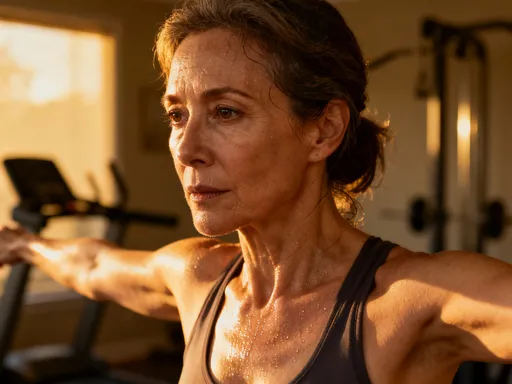
Every morning, I begin with ten minutes of mobility work. This isn’t stretching in the traditional sense, but dynamic movements that lubricate the joints and wake up the nervous system. I perform cat-cow stretches on the floor, shoulder rolls, ankle circles, and gentle spinal twists. These movements improve joint range of motion, reduce stiffness, and signal to my body that it’s time to move. Within weeks, I noticed my morning creakiness decreased. I could bend down to tie my shoes without holding onto the wall.
Three times a week, I do resistance training. I started with bodyweight exercises — wall push-ups, seated rows using a resistance band, and chair squats. As my strength improved, I added light dumbbells. The goal wasn’t to build muscle for appearance, but to preserve lean mass. After age 30, adults lose 3–8% of muscle mass per decade, and this accelerates after 60. Muscle isn’t just about strength — it regulates blood sugar, supports metabolism, and protects joints. By maintaining muscle, I was investing in long-term metabolic health and functional independence.
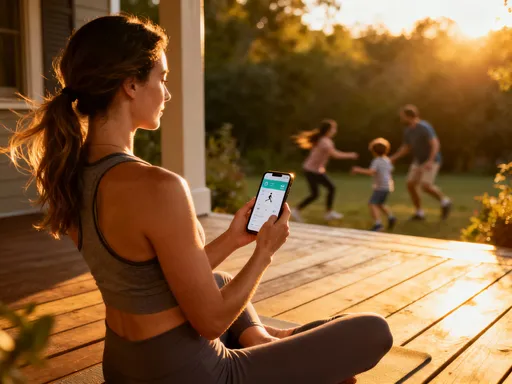
For cardiovascular health, I prioritized low-impact, sustainable activity. Walking became my anchor. I aim for 8,000–10,000 steps daily, often broken into short walks after meals. I also swim twice a week — the water supports my joints while still challenging my heart and lungs. These activities improve circulation, deliver oxygen to tissues, and support brain health by promoting blood flow.
The key wasn’t intensity — it was consistency. I stopped measuring success by how sore I was or how fast I moved. Instead, I celebrated showing up. Some days, it was just five minutes of stretching. But those small efforts accumulated. Over time, my balance improved, my stamina increased, and my joint discomfort decreased. Movement became less of a chore and more of a daily gift to my body.
Fueling Longevity: What I Actually Eat (No Extreme Diets)
I’ve tried fad diets — low-carb, juice cleanses, detoxes — and they never lasted. They left me hungry, irritable, and eventually, back where I started. This time, I focused not on restriction, but on nourishment. My goal was to eat in a way that reduced inflammation, supported cellular repair, and sustained energy throughout the day.
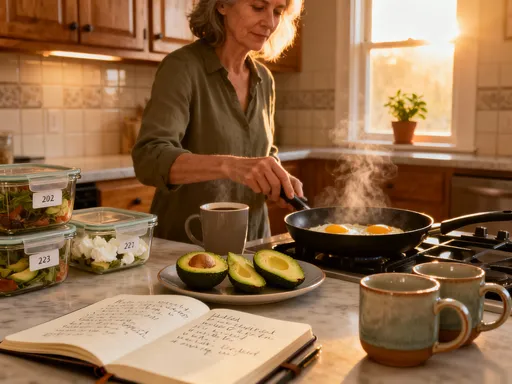
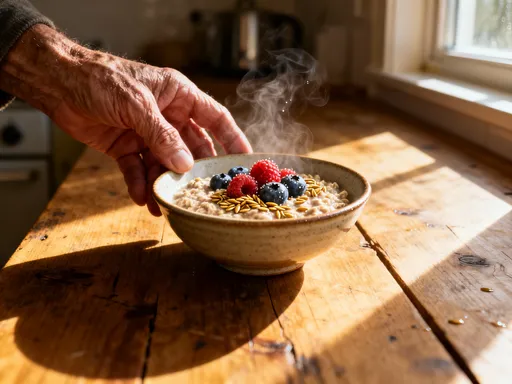
I adopted a whole-food, plant-rich eating pattern. That means most of my plate is filled with vegetables, fruits, legumes, whole grains, nuts, and seeds. I aim for color and variety — dark leafy greens, red peppers, blueberries, sweet potatoes — because different phytonutrients support different aspects of health. These foods are naturally anti-inflammatory and rich in antioxidants that combat oxidative stress, a key factor in aging.
Protein is now a priority at every meal. Whether it’s eggs, Greek yogurt, lentils, or grilled fish, I make sure I’m getting enough. Protein supports muscle maintenance, keeps me full, and provides the building blocks for tissue repair. I aim for about 1.2 grams of protein per kilogram of body weight daily — a target supported by research for older adults to prevent muscle loss.
Healthy fats are no longer feared. I include sources like avocado, olive oil, nuts, and fatty fish rich in omega-3s. These fats support brain health, reduce inflammation, and help absorb fat-soluble vitamins. Carbohydrates come from fiber-rich sources like oats, quinoa, beans, and vegetables. I avoid refined sugars and processed grains, which spike blood sugar and contribute to inflammation.
Hydration is another pillar. I drink water consistently throughout the day, aiming for at least eight glasses. I also pay attention to meal timing — I try not to eat too late at night, as this can disrupt sleep and digestion. I don’t count calories or follow strict rules. Instead, I listen to my body. If I’m hungry, I eat. If I’m full, I stop. This approach isn’t about perfection — it’s about creating a relationship with food that feels sustainable and supportive for the long term.
Sleep & Stress: The Silent Accelerators of Aging
No amount of exercise or perfect eating could fix the damage caused by poor sleep and chronic stress. I realized this when I was doing everything 'right' but still felt drained. My body was under constant low-grade stress — from work, family responsibilities, and even the pressure to 'get healthy.' And my sleep? Fragmented, shallow, and often cut short by nighttime awakenings.
Chronic stress elevates cortisol, a hormone that, in excess, breaks down muscle, increases fat storage around the abdomen, and weakens the immune system. It also contributes to oxidative stress, which damages cells and accelerates aging. Poor sleep compounds this — it impairs cognitive function, disrupts hormone balance, and slows recovery. Together, they create a cycle that ages the body from the inside out.
So I made sleep and stress management non-negotiable. I established a consistent bedtime and wake-up time, even on weekends. One hour before bed, I implemented a screen curfew — no phones, tablets, or TV. Instead, I read a book, practiced gentle stretching, or wrote in a journal. I made my bedroom cool, dark, and quiet, investing in blackout curtains and a white noise machine.
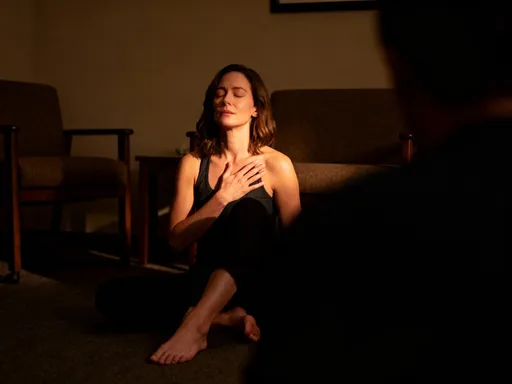
For stress, I incorporated mindfulness and breathing practices — not as trends, but as tools. I started with just five minutes of diaphragmatic breathing each morning. Inhaling slowly through the nose, expanding the belly, and exhaling fully. This simple act activates the parasympathetic nervous system, signaling the body to relax. I also began a short daily meditation using a guided app, focusing on body scans or gratitude.
Over time, these practices reshaped my nervous system. I became more resilient to daily stressors. My sleep deepened. I woke up less during the night and felt more refreshed. I noticed my mind was clearer, my mood more stable. I realized that mental resilience wasn’t separate from physical rejuvenation — it was part of the same process. By calming my nervous system, I was giving my body the space it needed to repair and regenerate.
Tracking Progress: How I Knew It Was Working
In the beginning, I looked for dramatic changes — weight loss, visible muscle gain, wrinkle reduction. But the real shifts were subtler, more meaningful. The first sign was energy. I stopped needing afternoon naps. I could play with my grandchildren for hours without exhaustion. I woke up feeling light, not heavy.
My sleep quality improved significantly. I fell asleep faster, stayed asleep longer, and woke up without grogginess. My skin, once dull and dry, began to look more radiant. My nails grew stronger. Joint stiffness decreased — I could open jars, climb stairs, and garden without pain. These weren’t vanity metrics; they were signs that my body was functioning better at a cellular level.
I also used objective measures. During a follow-up blood test, my doctor noted lower markers of inflammation and improved lipid profile. My fasting glucose was in a healthier range. I didn’t obsess over numbers, but they confirmed what I was feeling. I also tracked simple functional tests — how long I could hold a wall sit, how many steps I could take without fatigue. These small benchmarks kept me motivated.
But the most powerful indicator was how I felt in my daily life. I stopped dreading physical activity. I looked forward to my walks, my stretches, my meals. I felt more present, more capable. I didn’t need to see a younger face in the mirror to know something had changed — I could feel it in my body, in my mood, in my confidence.
Sustainability & Mindset: Making It Last Beyond the Hype
The biggest lesson I’ve learned is that lasting change isn’t about willpower — it’s about sustainability. There were setbacks. Holidays, travel, illness — life happened. I didn’t stick to my routine perfectly. But instead of quitting when I slipped up, I practiced self-compassion. I reminded myself that one missed workout or indulgent meal didn’t erase progress. What mattered was returning to the habits, without guilt or self-criticism.
I also learned the value of professional guidance. I consulted a physical therapist to refine my movement routine, a registered dietitian to optimize my nutrition, and my doctor to monitor my health markers. These experts didn’t give me a magic formula — they helped me personalize the science to fit my life. Their support made the journey safer, more effective, and more credible.
Patience was essential. I didn’t expect overnight results. I focused on how I felt each week, not how I looked. I celebrated small wins — a deeper stretch, a better night’s sleep, a moment of calm during a stressful day. Over time, these moments added up to a new normal — one where I felt stronger, clearer, and more alive.
This journey wasn’t about chasing youth. It was about reclaiming vitality. I didn’t become a 20-year-old, and I don’t want to. I want to age with strength, grace, and energy. I want to be the grandmother who hikes with her grandkids, the friend who plans adventures, the woman who feels confident in her own skin.
Conclusion
Aging is inevitable, but decline isn’t. This rehab-style approach didn’t turn me into a 20-year-old, but it gave me back energy, strength, and confidence I thought were gone. The real secret? Consistency, not perfection. By treating my body with daily care — movement, food, rest — I’m not fighting time. I’m moving with it, stronger and clearer than before. And if I can do it, so can you.